
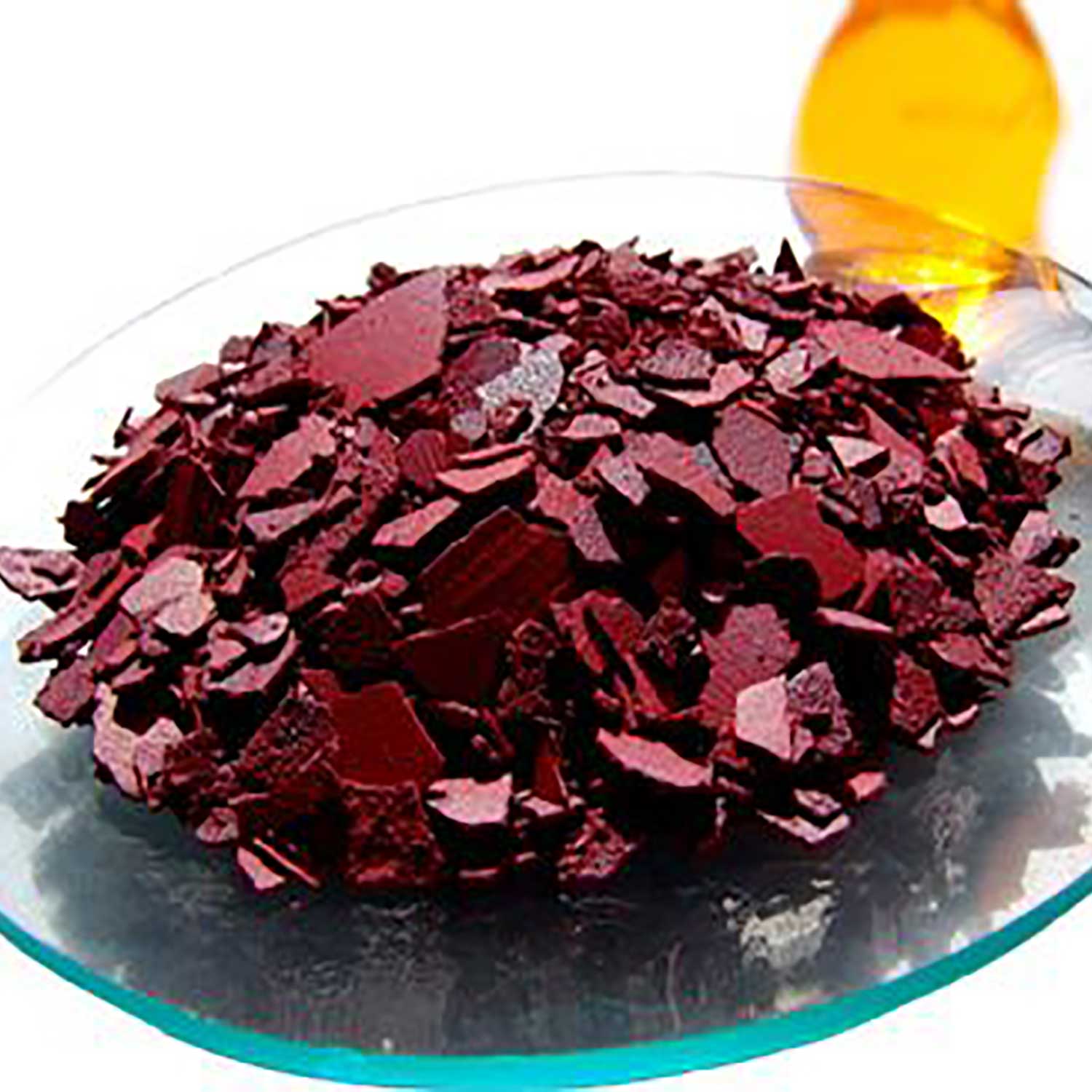
Chromium Trioxide
Chromium Trioxide is a highly insoluble thermally stable Chromium
source suitable for glass, optic and ceramic applications. Oxide compounds
are not conductive to electricity. However, certain perovskite structured oxides are
electronically conductive finding application in the cathode of solid
oxide fuel cells and oxygen generation systems. They are compounds
containing at least one oxygen anion and one metallic cation.
They are typically insoluble in aqueous solutions (water)
and extremely stable making them useful in ceramic structures as simple as
producing clay bowls to advanced electronics and in light weight structural
components in aerospace and electrochemical applications such as fuel cells in which they exhibit ionic conductivity. Metal oxide
compounds are basic anhydrides and can therefore react with acids and with
strong reducing agents in redox reactions. Chromium Trioxide is also available
in pellets, pieces, powder, sputtering targets, tablets, and nanopowder (from American Elements' nanoscale production facilities)
High purity chromium
has good toughness. Non-iron based precision alloy with high temperature and corrosion
resistance, especially the necessary material of chromium base alloy, has
important applications in the fields of aerospace industry, jet aircraft
manufacturing and gas turbine manufacturing.
In order to avoid
iron, silicon, aluminum and other impurities, industrial production of high
purity chromium must rely on electrolysis.
Chromium trioxide is an
important chromium compound and a strong oxidizer. Mainly used in the
electroplating industry, making the raw materials of electroplating chromium
such as bicycle, watch, instrument and daily use hardware, and also used in
manufacturing high purity metallic chromium. It is the raw material of low
temperature conversion catalyst, high temperature conversion catalyst and high
pressure methanol synthesis catalyst.
In the process of producing
high purity chromium, chromic trioxide is prepared into electrolyte and
electrolyzed through electrolysis cell, and finally metal chromium is
deposited.